Some travelers tell me, a little apologetically, that they're "not cruise people." I understand. If you picture thousands of passengers going ashore together, crowded buffets and evening shows you sit through politely, it's hard to see how a cruise could give you the travel you actually want: time in a place, not just near it.
Expedition cruising is a different kind of trip altogether.
On a recent journey through Alaska's Inside Passage aboard Lindblad's National Geographic Sea Lion, I sailed with just 60 fellow guests. The ship was comfortable and simply done: one lounge, one dining room, well-designed cabins. That simplicity was the point. Our days belonged to the places outside: Zodiac landings on beaches with no one else on them, glaciers calving close enough to hear the crack, forest walks led by naturalists who had spent decades there, and humpbacks breaching off the bow as the light came up.
That's the travel these voyages are built for. If you've wondered whether an expedition cruise would suit you, here's what sets it apart.
1. Remote places without roughing it
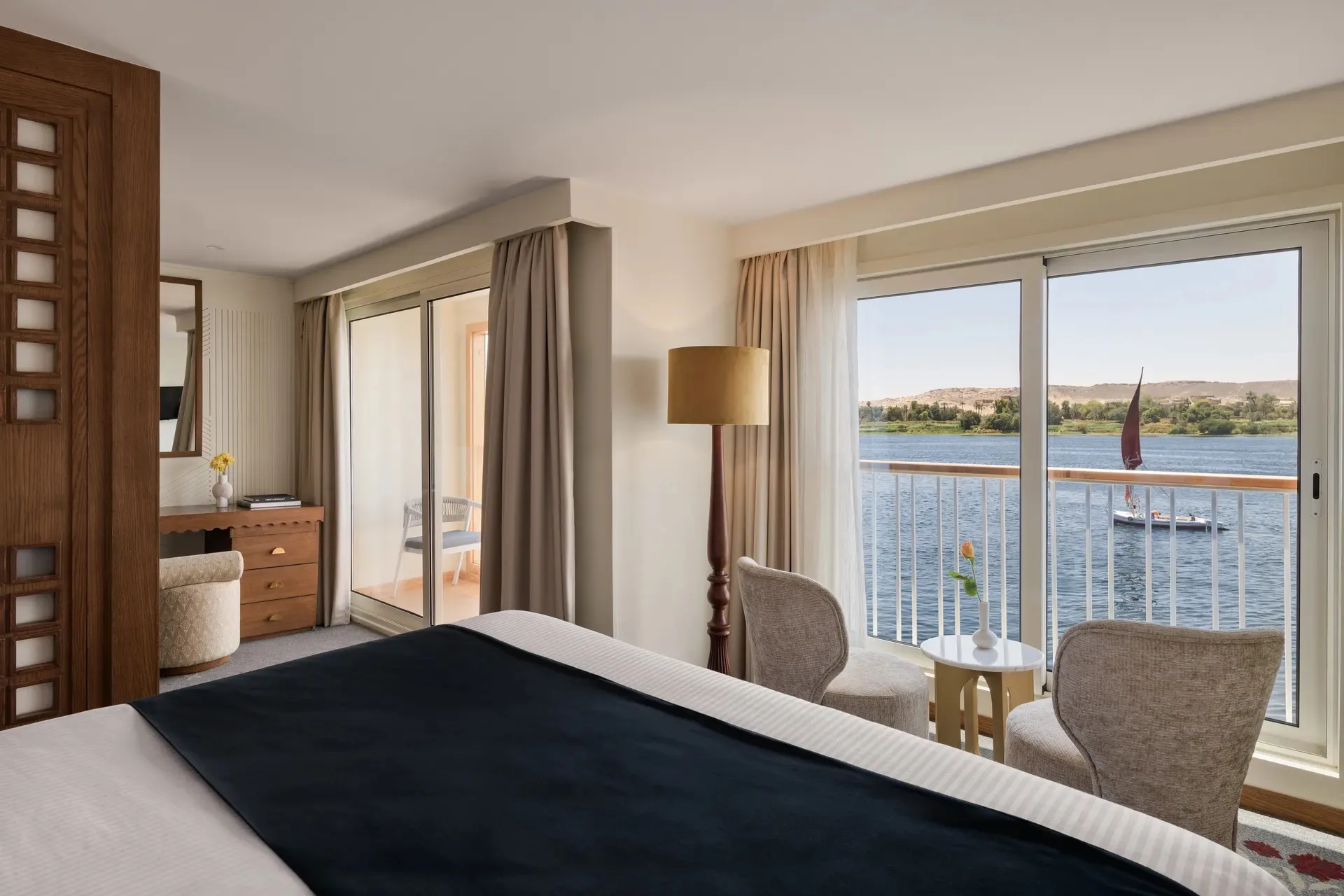
Think of expedition cruising as adventure with a warm bed at the end of the day. You can reach some of the most remote places on Earth, like Antarctica, the Amazon and the Galápagos, without sleeping in a tent or putting up with a basic jungle lodge. You come back each evening to a quiet, climate-controlled cabin and a good meal.
Ships differ more than most people expect, even within one cruise line. Some have spas, fitness rooms and libraries. Others keep things simple so the focus stays on the landscape. Dining is usually a single relaxed seating. One detail I always check for couples: many expedition ships have twin beds as standard, and that's the kind of thing worth knowing before you book.
2. Small ships that can go where large ones can't
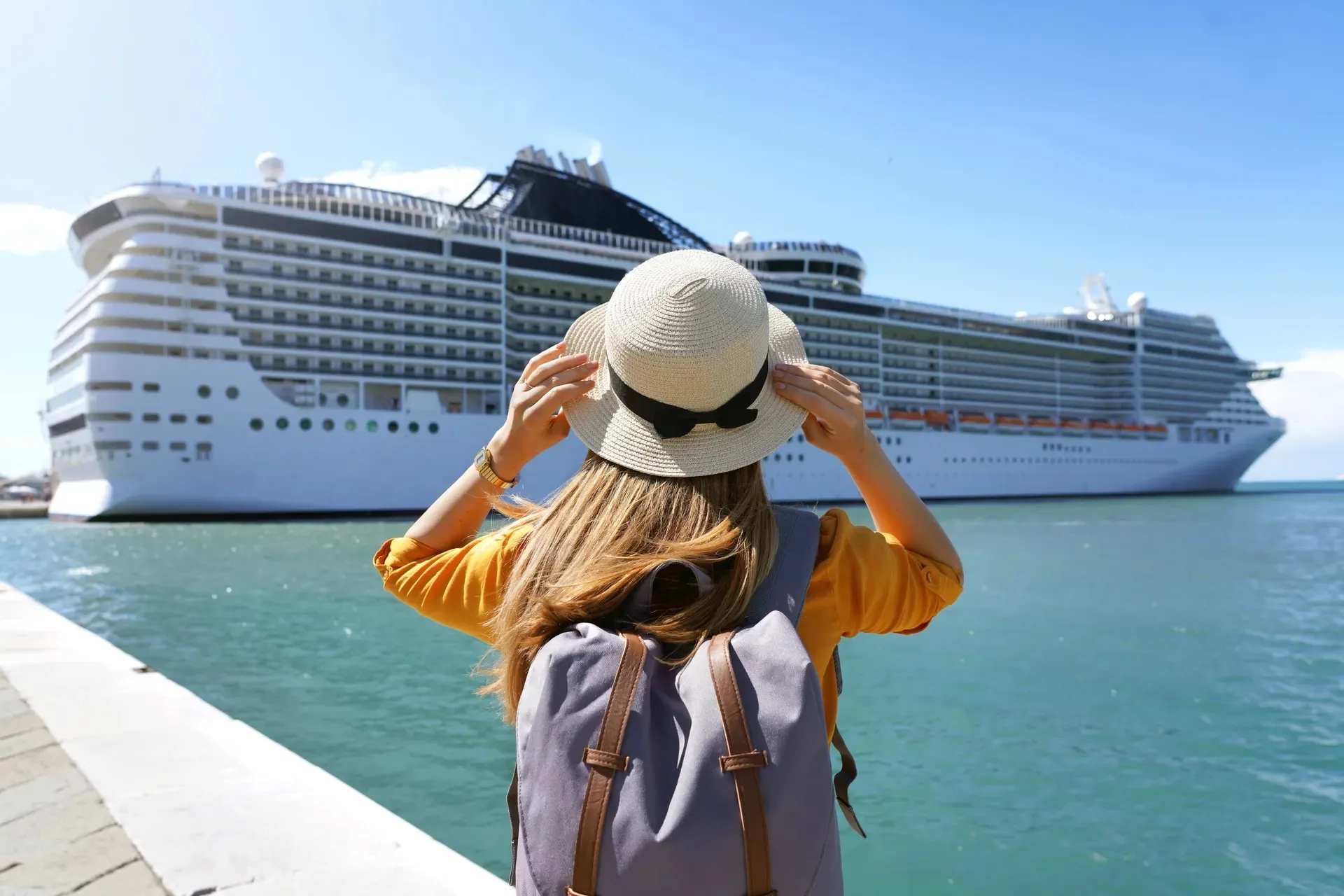
Mainstream cruise ships now carry several thousand passengers. Expedition ships rarely carry more than 200, and often far fewer, some as low as 16.
The size difference is what makes these trips possible. A small ship can tie up in Petersburg, Alaska, a working fishing village whose harbor is too small for the big lines. In the Galápagos, each ship is limited to 100 passengers, so a large-ship trip there simply isn't an option.
It also changes how the trip feels. Shore excursions go out in small groups, so you won't spend your days in a line of motorcoaches. You still get the best part of traveling with others: thoughtful, well-traveled company. By the end of my week in Alaska, I was taking photos with new friends and swapping email addresses so we could stay in touch.
3. Places you can't reach by land
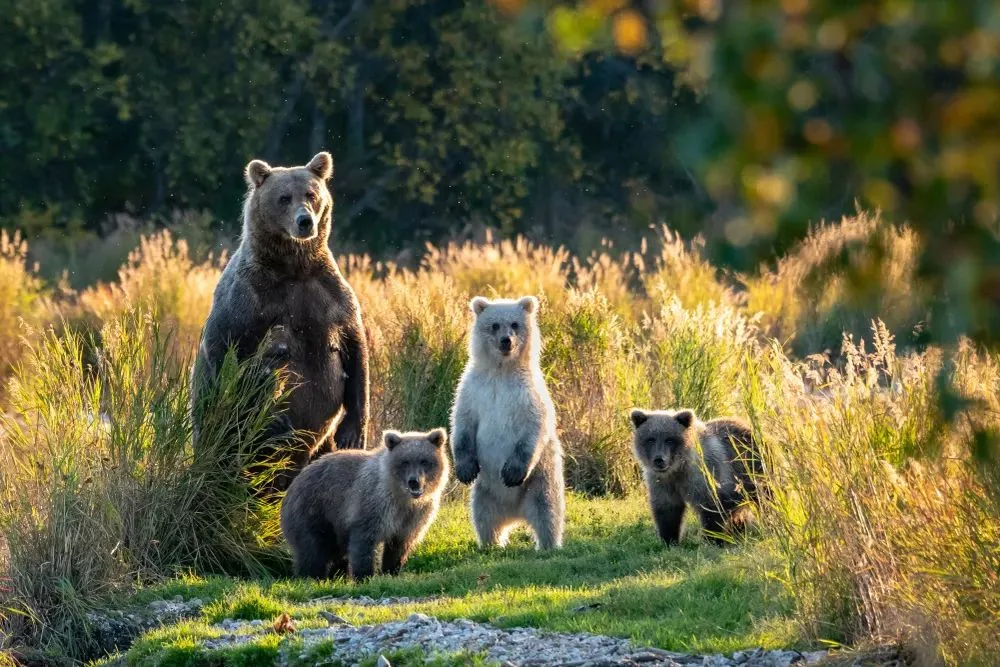
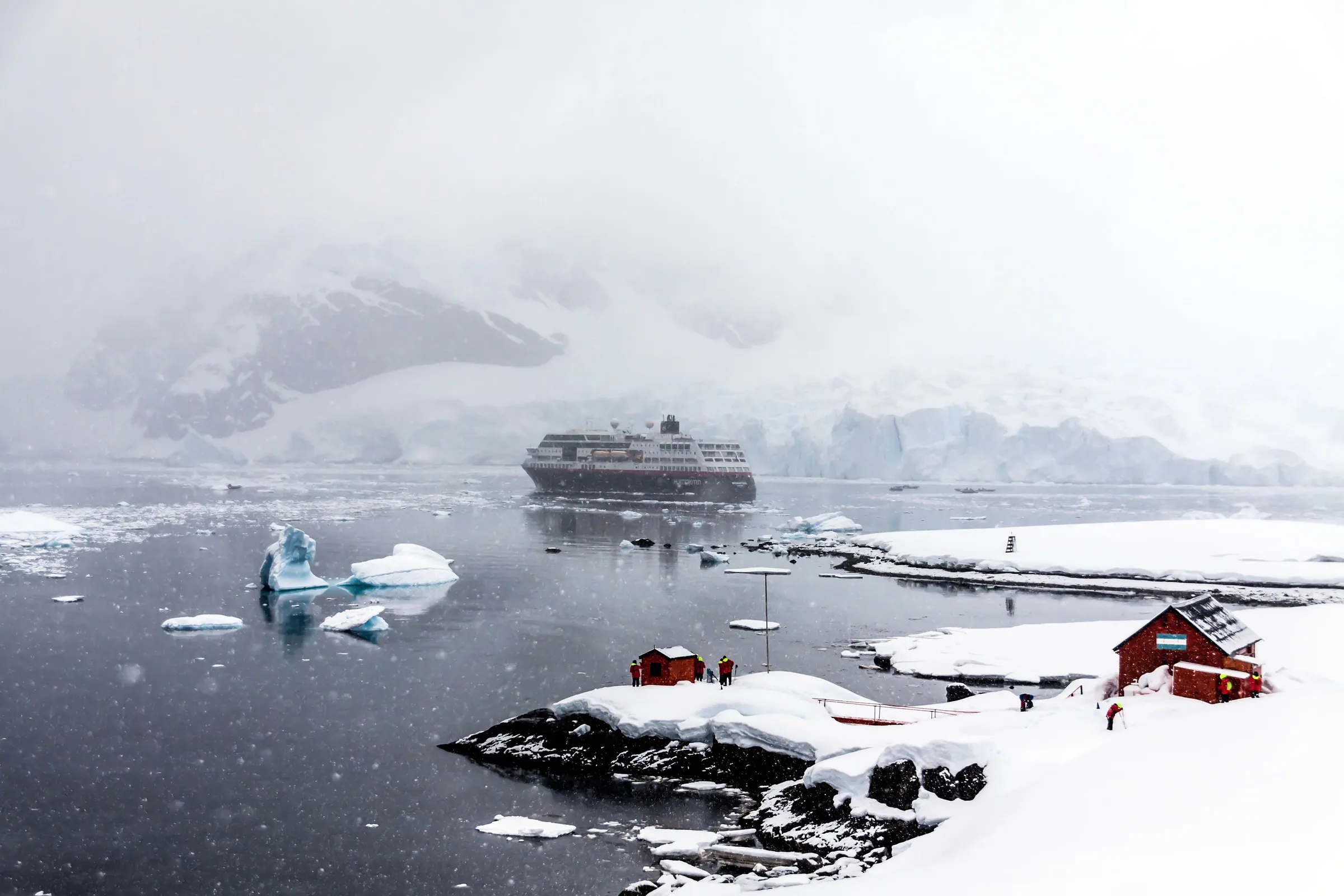
Some places can only be seen this way. Antarctica and its outer islands, and the Arctic coastline where polar bears hunt, are reached by sea or not at all. In other regions, Alaska's Inside Passage among them, a ship replaces expensive bush flights and long ferry connections. Even in places with hotels on land, like the Galápagos, you'll usually see more, and more easily, from the water.
4. Experts on board
This is where expedition cruising stands apart. Each voyage is led by biologists, geologists, historians and naturalists who can name the bird you just spotted, read the ice, or explain how the community you visited that morning came to be.
Instead of a nightclub, you spend evenings in conversation: short talks that tie together what you saw during the day. Some lines also bring photography experts on selected sailings, which helps if you want to come home with photos as good as the memories.
5. Plans that change for the better
Itineraries on an expedition ship are a framework, not a fixed script. Weather, tides, ice and wildlife all shape the day. In Alaska, our captain left the planned route more than once: once to bring us closer to bears on a distant shore, and again to follow a pod of humpbacks. When a storm came in, a planned anchorage was quietly swapped for a more sheltered one.
If that sounds unsettling, consider the alternative: a ship that sails past the whales to stay on schedule. Expedition teams adjust because the best moments rarely happen on time.
6. A relaxed atmosphere on board
Leave formal wear at home and use the space for good boots and a proper parka. Life on board is relaxed and unpretentious. Dinner conversation is about what you saw that day, not what anyone is wearing.
Is expedition cruising right for you?
It depends on things only you can answer: how you like to spend your days, how much comfort matters, what you hope to bring home. Lines, ships and itineraries vary a great deal. The right match is often the difference between a good trip and one you'll still talk about years later.
That's the part I handle. I'll go through the options with you, explain the trade-offs clearly and recommend the voyage that fits how you want to travel.
If this sounds like the trip you've been picturing, I'd love to talk it through with you.