
Galapagos Islands
South America
The Key Experience
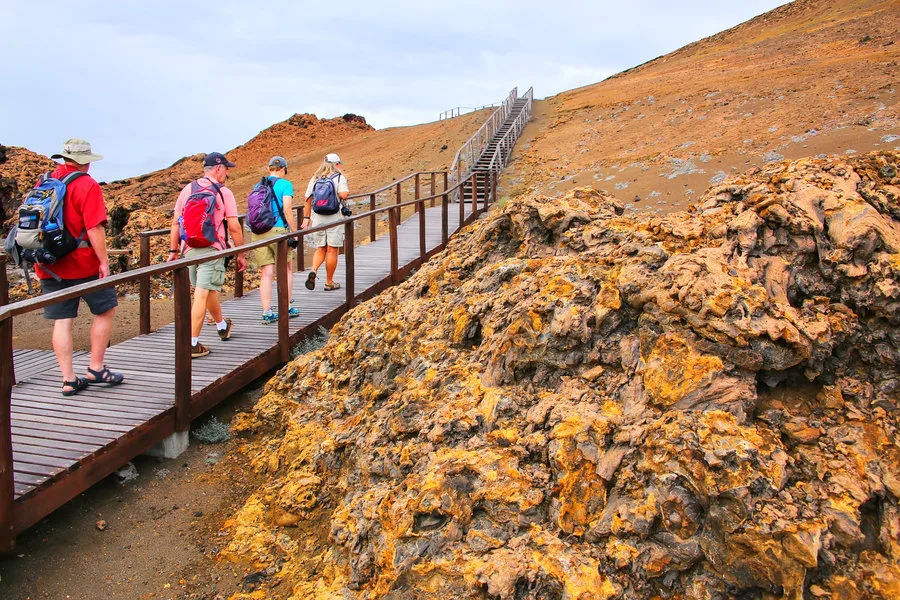
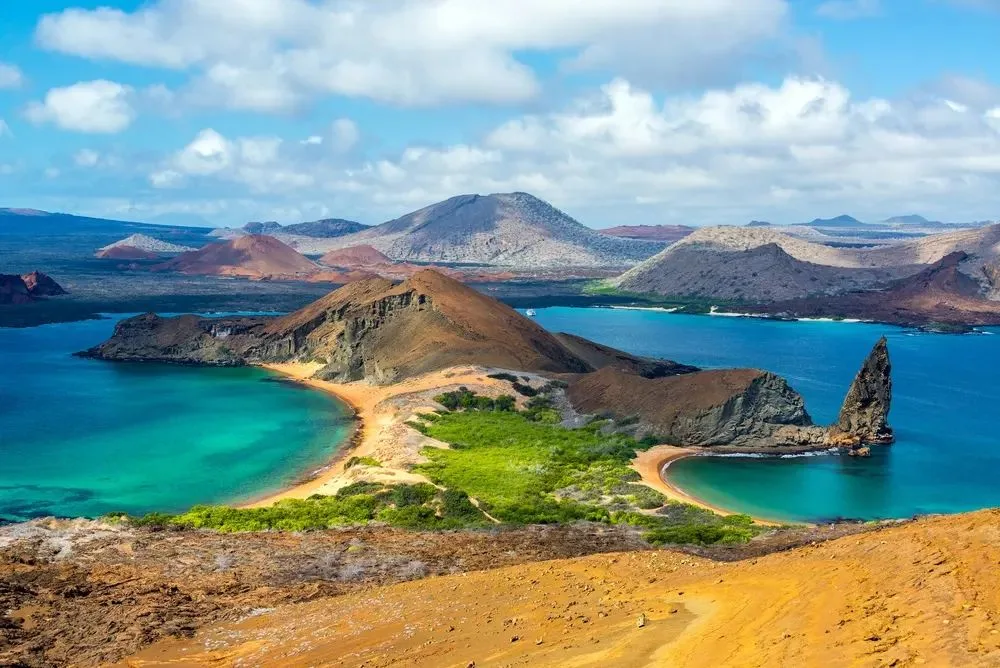
The Galapagos Islands are an archipelago of volcanic islands distributed at the equator, 600 miles west of Ecuador in the Pacific Ocean. 97% of the land area of the islands are designated as a national park and World Heritage site: The Galapagos National Park (GPND). The GPND ensures visits can only be made to specific landing sites with certified naturalist guides, coordinates visits to these sites, scrutinizes ship itineraries, and carefully monitors the delicate ecological conditions.
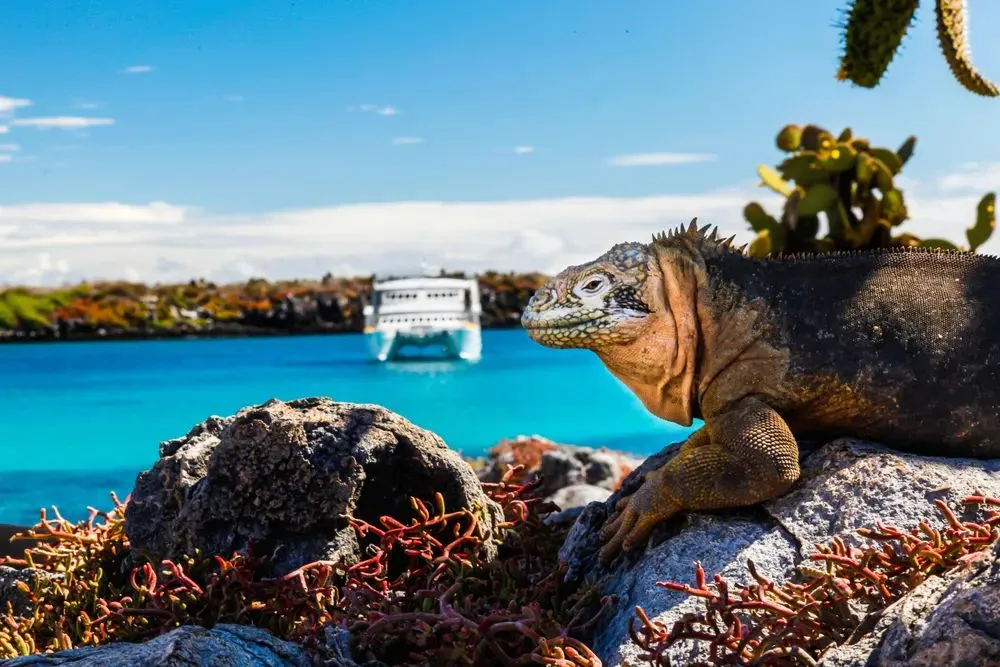
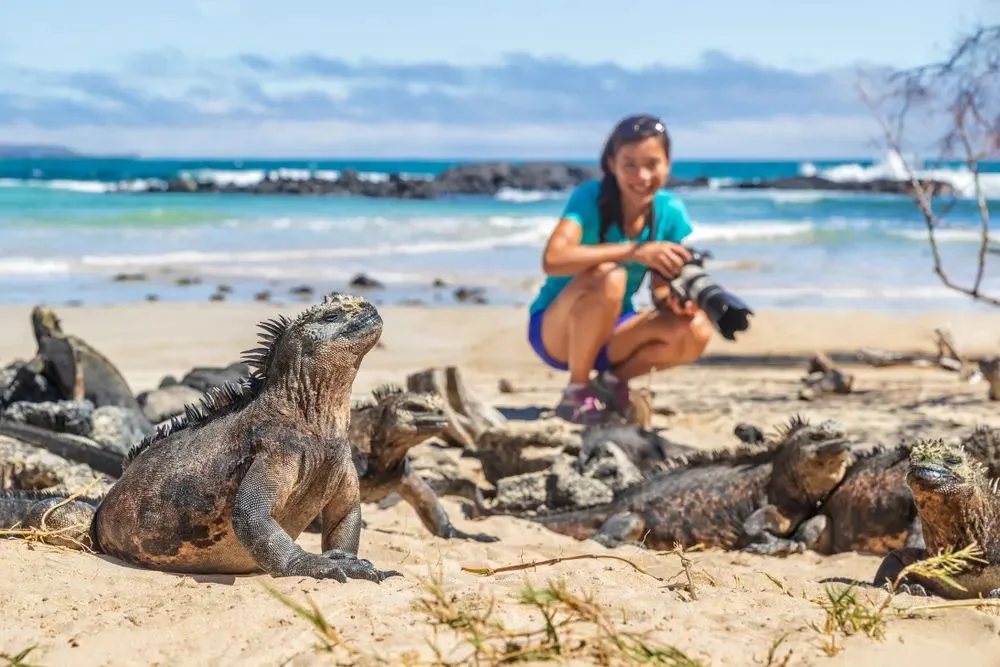
The Galapagos Islands are a must-visit destination for anyone looking for the wildlife adventure of a lifetime — they are famous for the number of bird and animal species which are unique to the islands. Different islands are known for specific scenery, vegetation, and wildlife. However, many species — sea lions, marine iguanas, lava lizards, and a variety of coastal birds such as herons, tattlers, plovers, turnstones, and whimbrels — are common at most locations.
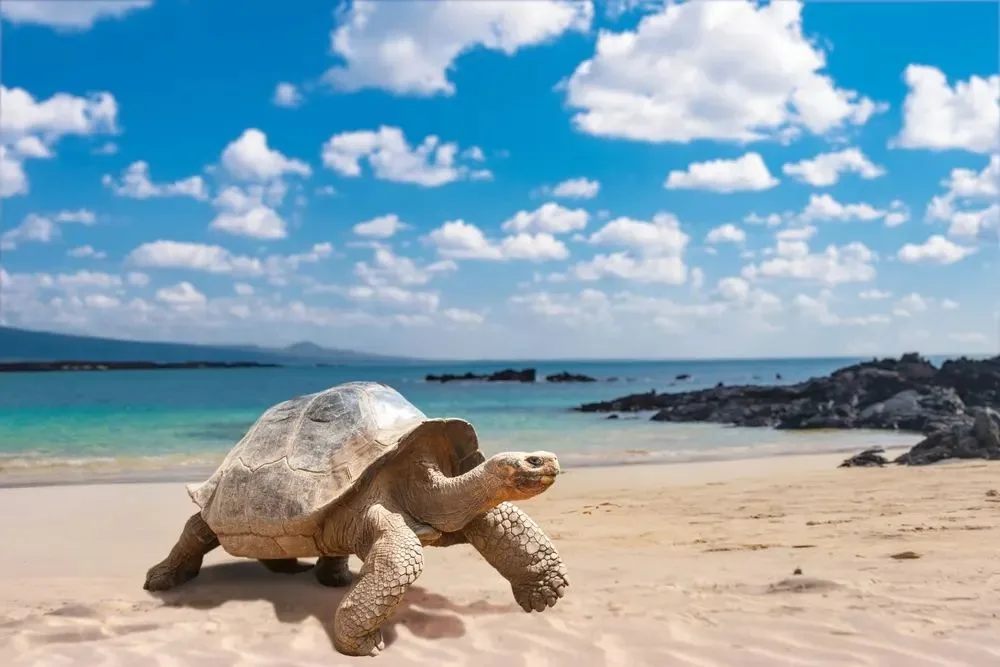
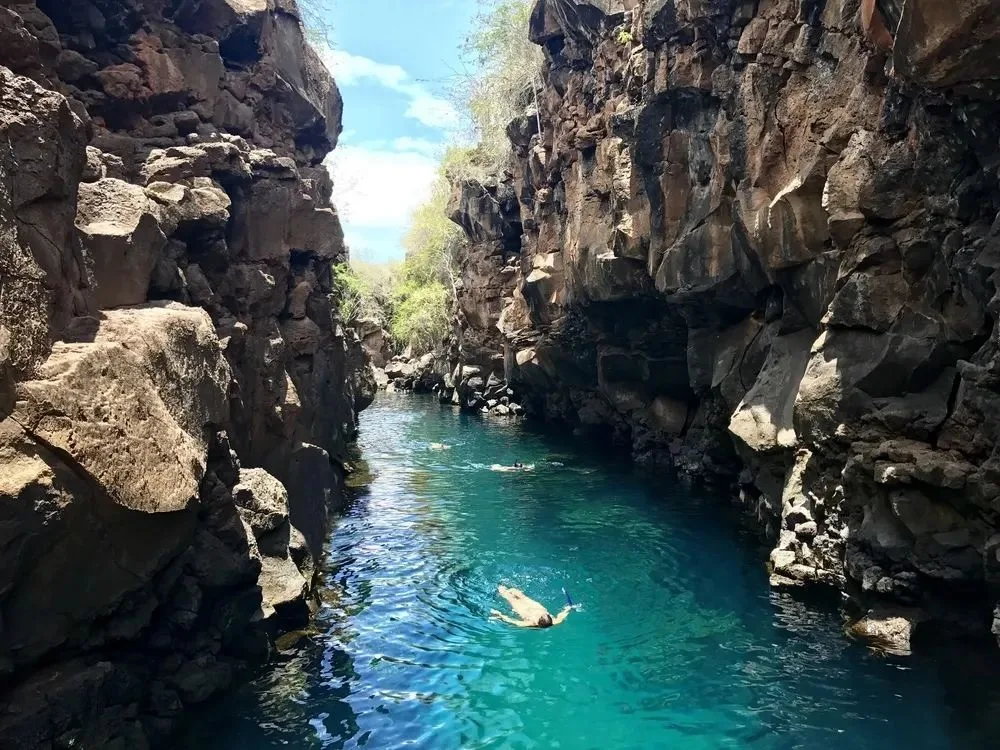
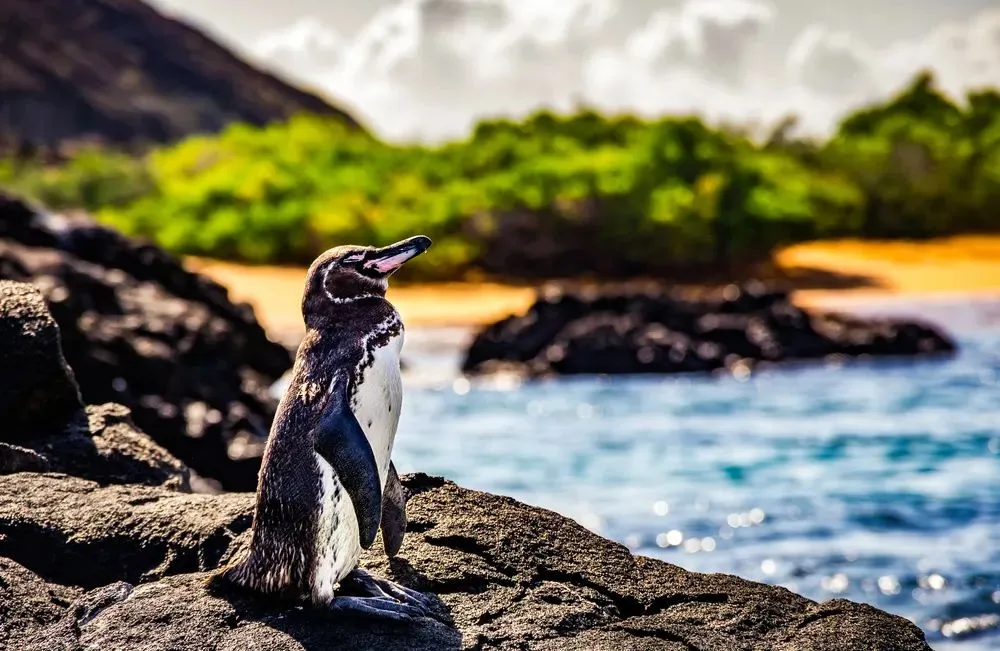
The toughest part about visiting these islands is choosing where to go and when to see the wildlife you care most about, although no island or time of year disappoints, as animals are active year-round. Expedition cruises are available throughout the year, so you have the option of seeing the Galapagos in different seasons for a very different experience of the islands. Depending on the time of year, you can swim with the only penguins found north of the equator, walk alongside the endangered giant tortoises that gave the Galapagos Islands their name, and visit brightly-colored blue-footed boobies, magnificent frigate birds, and many other diverse and fascinating species.
Main Attractions
What to see & do.
- 01January: Green Sea Turtles lay their eggs; Land Iguanas begin to mate; Marine Iguanas brightly colored; snorkeling
- 02February: Greater Flamingos and Galapagos Dove start nesting; Bahama Pintail Ducks begin breeding season; Nazca Boobies at end of nesting; Marine Iguanas nest; fewest Penguins
- 03March: Marine Iguanas start nesting; Waved Albatross begins to navigate back to the archipelago; Penguins can sometimes be spotted in water next to tropical fish; best snorkeling; highest humidity
- 04April: Green Sea Turtle and Land Iguana eggs begin to hatch as the rainy season comes to an end; massive arrival of Waved Albatross; end of hatching for Giant Tortoises; one of the best months (weather, animal, water)
- 05May: The Blue-Footed Boobie starts its courtship ritual; Sea Turtles still hatching; Marine Iguana eggs hatch; Waved Albatross start laying eggs; Band-rumped Storm Petrels begin nesting; one of the best months
- 06June: Beginning of garúa season (cooler dry season); seas and winds pick up; Giant Tortoises migrate from highlands to lowlands and begin nesting; Magnificent Frigatebird males flaunt red pouches; southern migratory birds begin rest stops, along with some whales and dolphins
- 07July: Best time for whale-watchers — marine wildlife is most active; Lava Lizards begin their mating ritual until November; Sea bird breeding very active; American Oystercatchers nesting; Blue-footed Boobies at peak nesting; drop in water temperature
- 08August: Galapagos Hawks begin courtship; Nazca Boobies & Swallowtail Doves begin nesting; migrant shore birds arrive (stay until March); Giant Tortoises return to highlands; main Sea Lion pupping season; water choppy, currents strongest
- 09September: Peak of the cold garúa season; air temperature lowest — penguins, sea lions, and other marine wildlife at their most active; most species of sea birds actively nesting
- 10October: Weather begins to warm up; Galapagos Fur Seals begin mating; Giant Tortoises lay eggs; Sea Lion pupping continues; Lava Herons start nesting; intense sunrises frequent
- 11November: Sea Lion breeding common; jellyfish; Band-Rumped Storm Petrels begin 2nd mating; Sea Lion pups active in water; Brown Noddies begin mating; seas have calmed, water temperature rising
- 12December: Giant Tortoise eggs begin hatching until April; Green Sea Turtles mate; start of the rainy season — lush vegetation returns to the Galapagos; Waved Albatross fledge; great weather
Plan the Trip
Practical details.
Best Time to Visit
Year-round — every month brings different wildlife activity
Climate
Equatorial. Two seasons: warm/wet (December–May) and cool/dry "garúa" (June–November).
Time Needed
7 to 10 nights aboard an expedition vessel; pair with mainland Ecuador and Peru
Accessibility
Limited — landings often involve wet/dry tendering and uneven terrain. Speak with me about ship choice if mobility is a consideration.
The List
Notes from the field
Quiet travel inspiration, seasonal picks, and behind-the-scenes stories — sent occasionally, unsubscribe anytime.
Next Step
Planning a trip to Galapagos Islands?
A short conversation is the fastest way to translate this guide into an itinerary built around you.