Schedule a Consultation
Voyages By Water logo
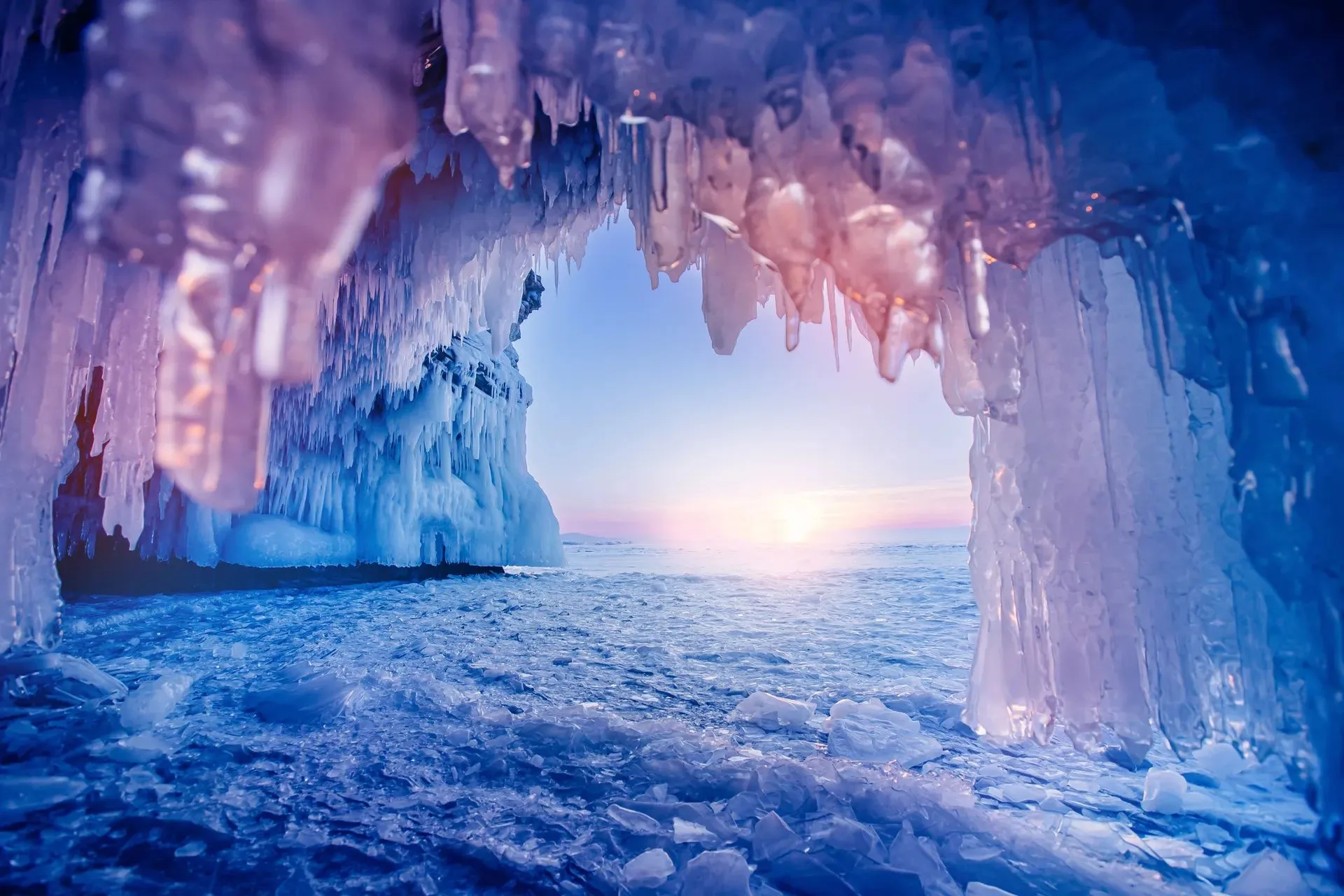
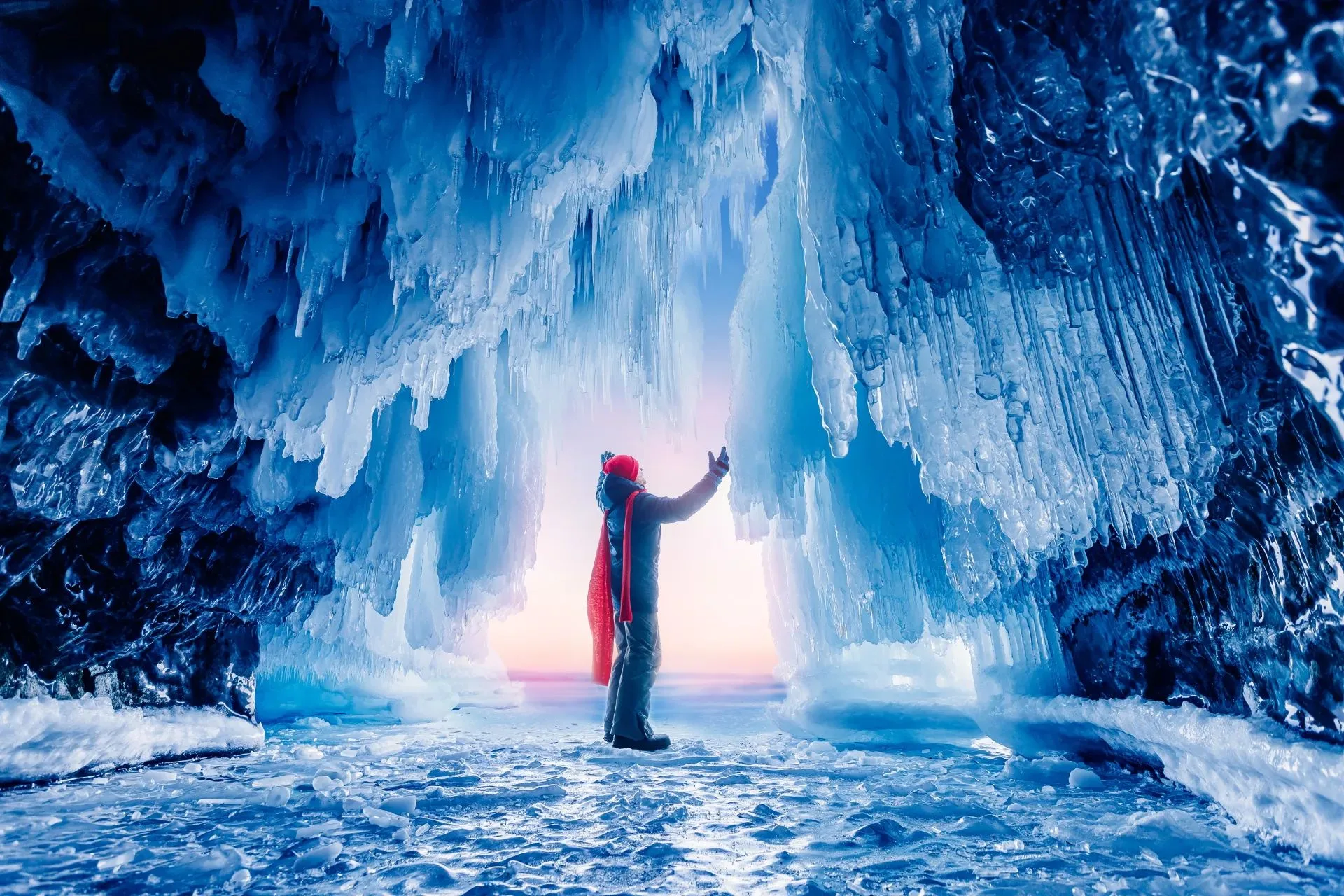
A traveler inside a glacier ice cave

Luxury Expedition Cruises

Specialty

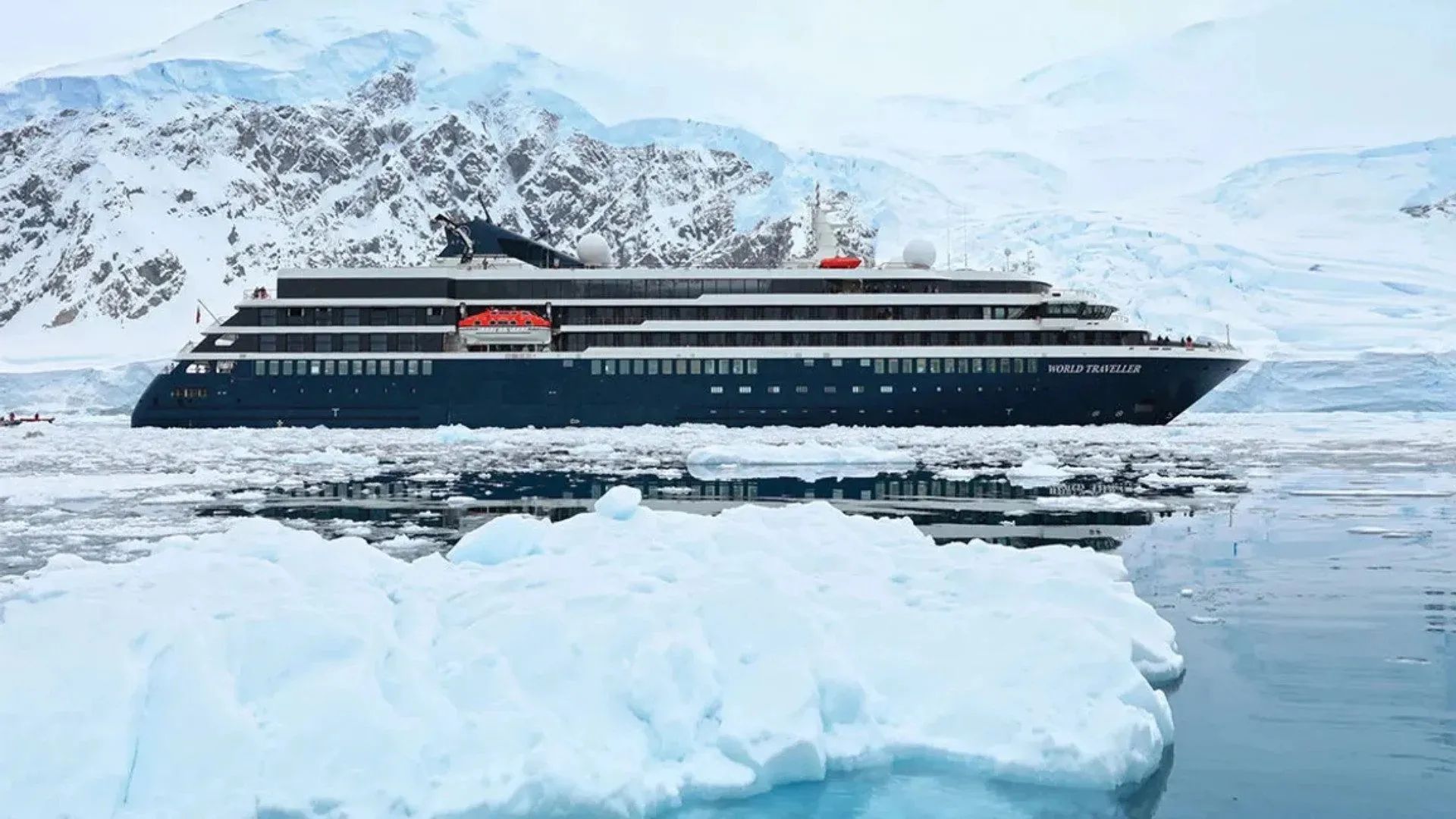
Some places cannot be reached by road, and should not be seen from a crowded deck. Expedition cruising takes you to the edges of the map in small, capable ships, with people who can tell you exactly what you are looking at.

Why I Love Expedition Cruising

Travel that asks something of you, and gives back more.

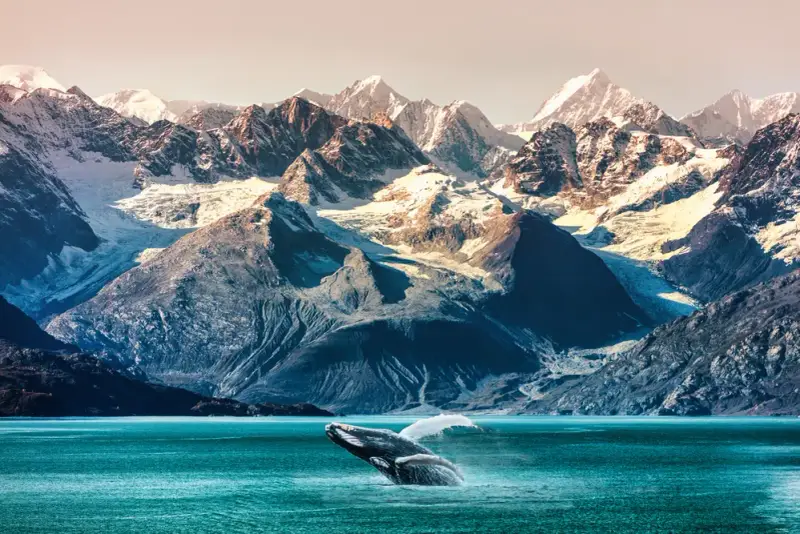
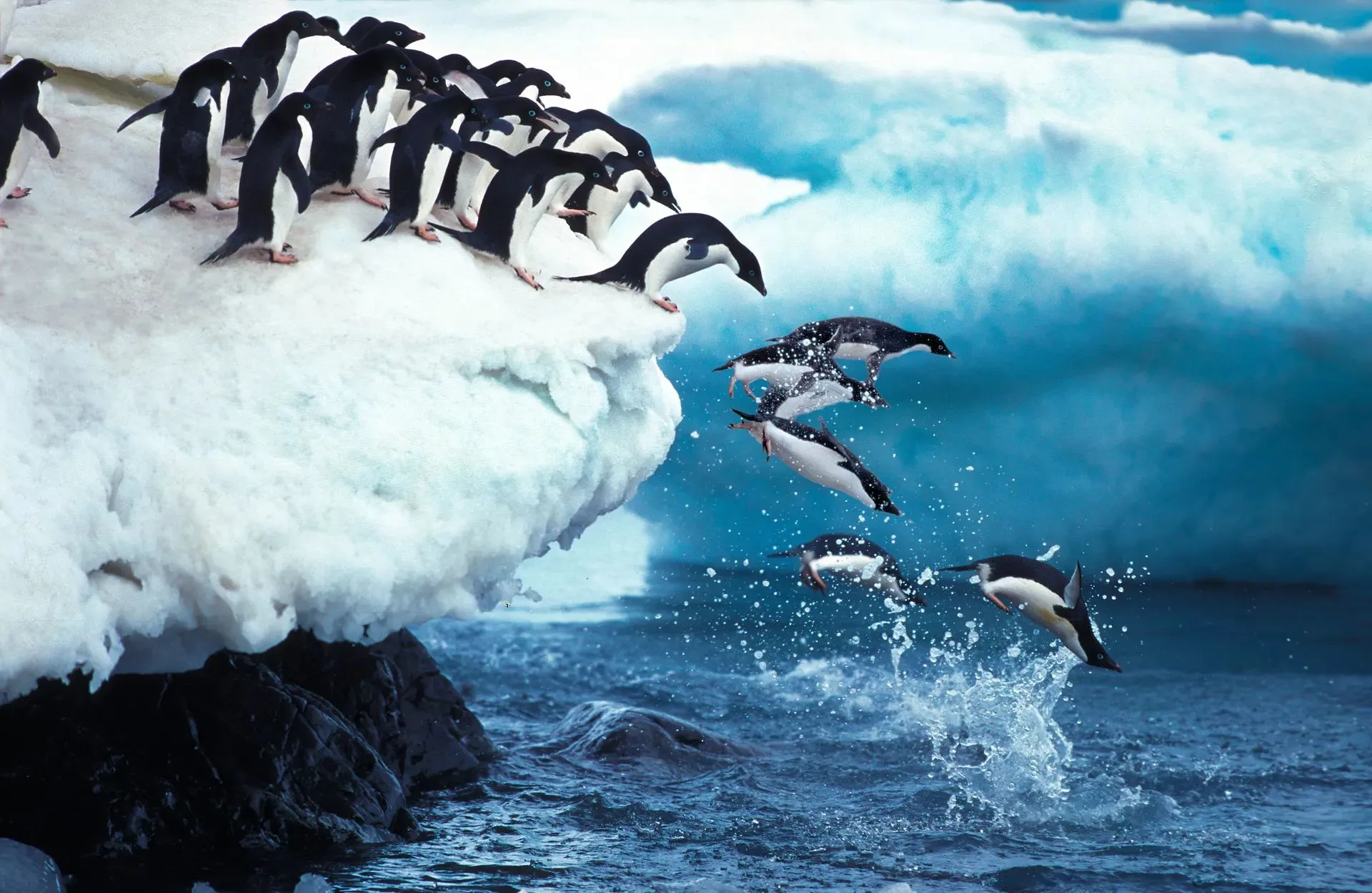
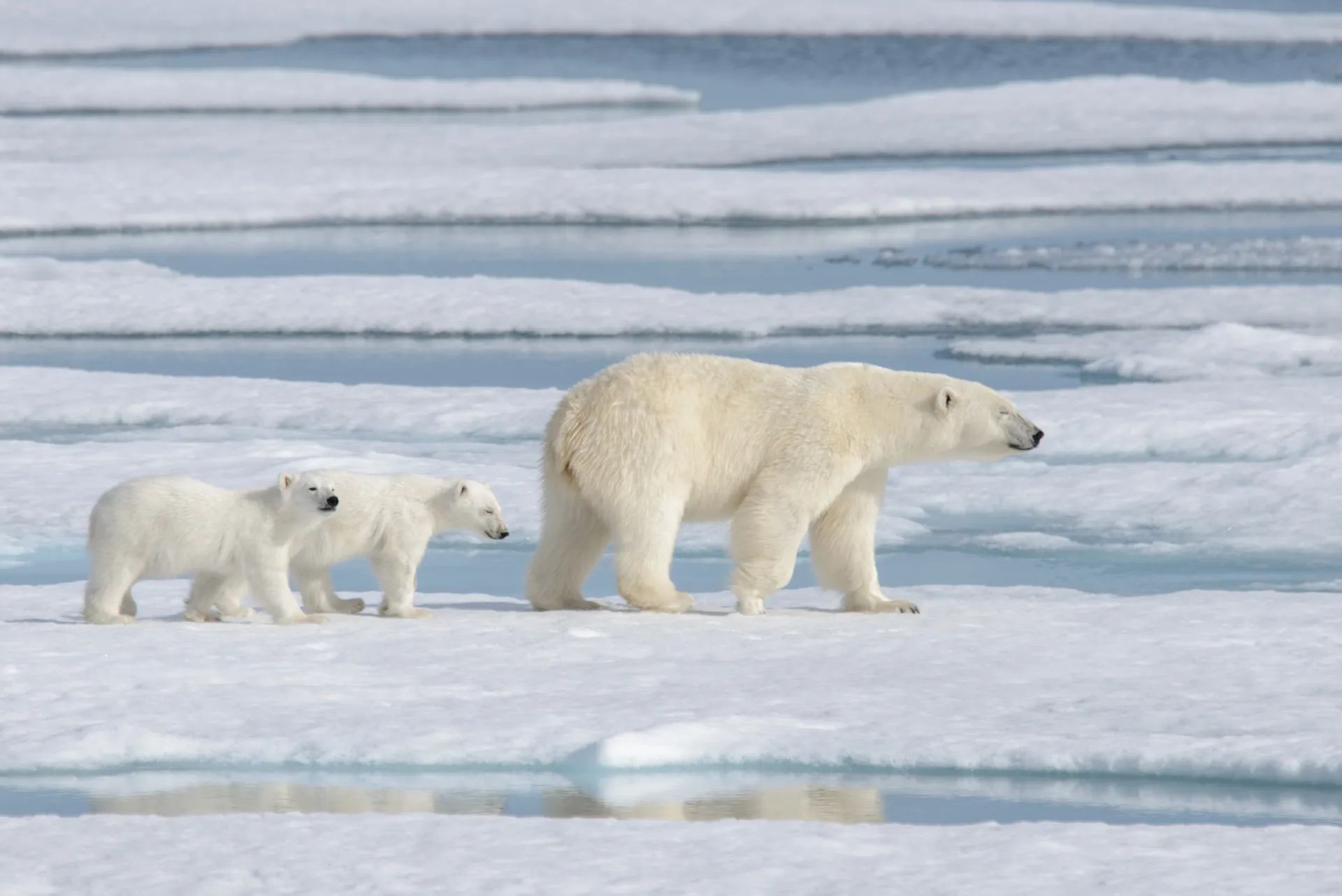
Expedition cruising is the most transporting travel I sell. The ships are small, ice-strengthened, and purpose-built. The days are shaped by weather and wildlife rather than a printed schedule. And the moments that stay with you, a humpback surfacing beside your Zodiac, a polar bear crossing an ice floe, a penguin colony stretching to the horizon, cannot be arranged in advance by anyone.

I work closely with HX, Atlas Ocean Voyages, Swan Hellenic, Seabourn, and Silversea to match each client with the right ship, suite category, and departure. The differences between these lines are significant, in expedition-team depth, onboard atmosphere, inclusion structure, and the kind of traveler each one attracts. Choosing well is the single most important decision you will make about the voyage.

Whether you are drawn to the Antarctic Peninsula, the ice and light of Svalbard, the fjords of Greenland, the wildlife of the Galápagos, or the ancient coastline of the Kimberley, I plan each expedition with the right gateway hotels, buffer days for weather, travel protection that actually covers remote evacuation, and the onboard comforts that make a demanding itinerary feel effortless.

Ship and shore
Ship and shore

The Case for Expedition Cruising

Seven reasons travelers never go back.

01

Small Ships, Remote Places

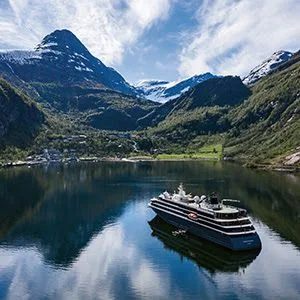
Expedition vessels typically carry between 100 and 250 guests, which means landing permits in places larger ships simply cannot go. Fjords, ice-choked bays, uninhabited islands, and research stations that see only a handful of visitors each season.

02

Zodiac Landings

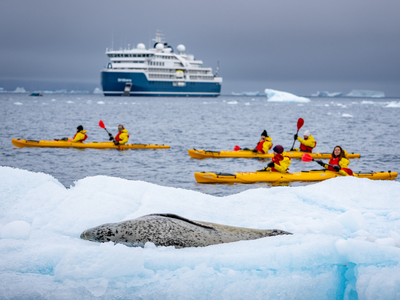
The heart of expedition cruising happens off the ship. Fleets of Zodiacs take you ashore onto beaches and ice, cruise beneath glacier faces, and idle quietly beside feeding whales. Most days include one or two landings or water excursions.

03

An Expedition Team, Not a Cruise Director

Naturalists, glaciologists, marine biologists, ornithologists, historians, and photographers travel with you. They lecture in the afternoons, guide you ashore in the mornings, and are on deck whenever something remarkable appears on the horizon.

04

Itineraries Written by the Weather

There is no fixed timetable. The captain and expedition leader adjust daily to ice, wind, and wildlife. That flexibility is not a compromise, it is the entire point. The best days of an expedition are usually the ones that were never on the plan.

05

Genuinely All-Inclusive

On the lines I recommend, your fare covers all excursions and landings, parkas and boot loans, beverages, gratuities, Wi-Fi, and often flights or charters into gateway cities like Ushuaia or Longyearbyen. The upfront number is close to the final number.

06

Comfort at the Edge of the Map

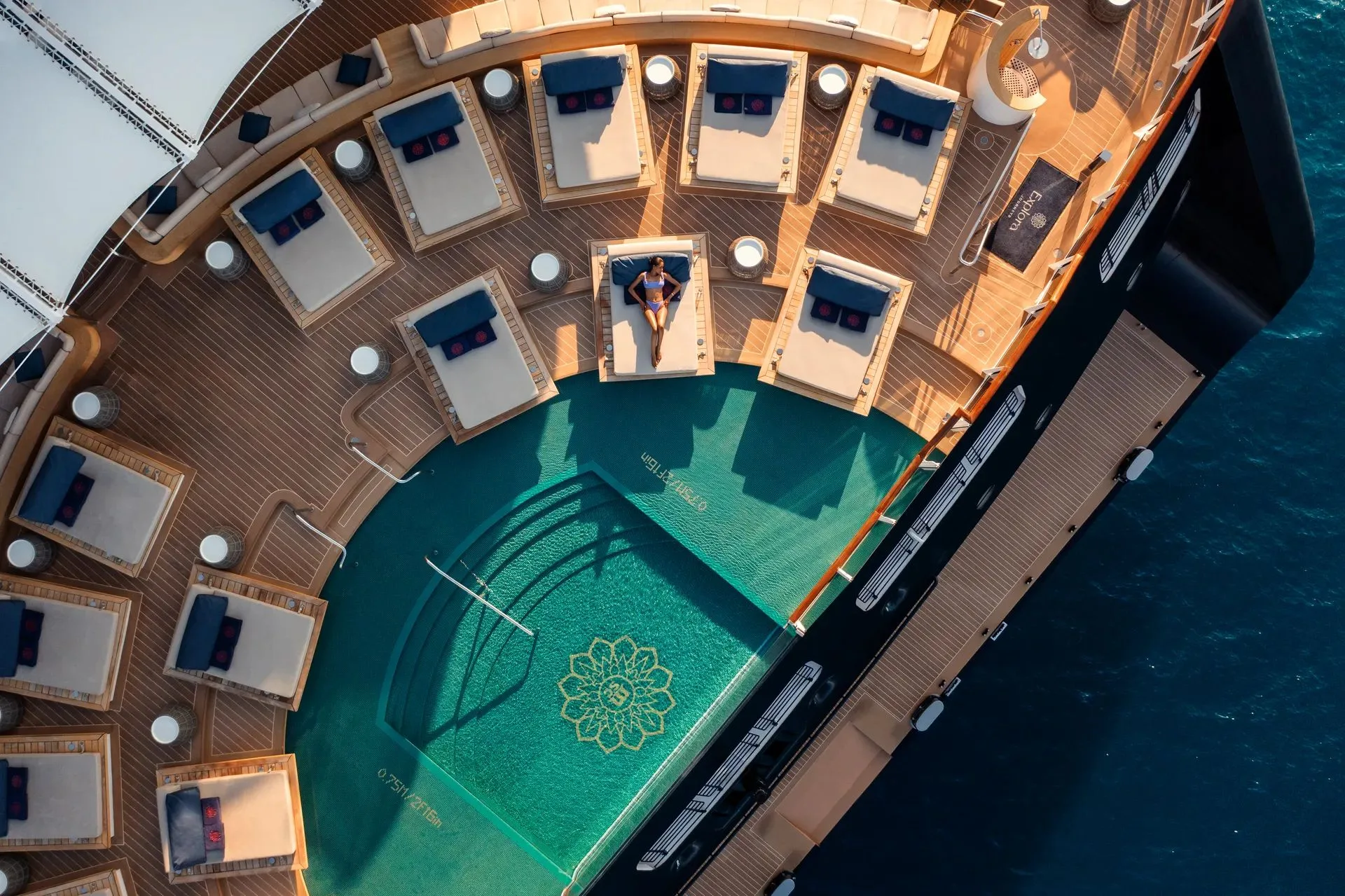
Modern expedition ships are ice-strengthened, stabilized, and beautifully finished. Suites with balconies, spas, thoughtful dining, and observation lounges built for hours of watching. You are remote without being rough.

07

The People You Meet

Expedition travelers are curious by nature. A shared Zodiac ride in sleet has a way of collapsing formality. Many of my clients come home with a group text thread that outlasts the voyage by years.

Choosing a Line

The expedition lines, compared.

Expedition ships can look similar on paper and feel entirely different once you are aboard. Here is an honest snapshot of how I think about each of the five lines I book most.

HX (Hurtigruten Expeditions)

HX (Hurtigruten Expeditions)

Best for

Science-minded travelers, Norway and polar first-timers, value-conscious explorers

The direct descendant of more than 130 years of Norwegian coastal seafaring, HX pairs that heritage with purpose-built hybrid-electric expedition ships. Onboard Science Centers put microscopes, citizen-science projects, and a genuinely academic lecture program at the center of the day rather than at the edge of it. Itineraries span Antarctica, Svalbard, Greenland, Iceland, the Northwest Passage, and the Norwegian coast.

When a client wants to learn as much as they see, and wants sustainability to be more than a brochure line, HX is where I start.

Atlas Ocean Voyages

Atlas Ocean Voyages

Best for

Small-ship exploration with upscale comfort and service

Yacht-style expedition ships carrying under 200 guests, combining polar-class hulls with a relaxed luxury feel. Fares include emergency medical evacuation insurance, a pre-cruise hotel night, guided excursions, beverages, and gratuities. Beyond the polar regions, Atlas sails the Mediterranean, the Arctic, and South America with the same intimate scale.

When clients seek a more intimate and personalized voyage, Atlas often rises to the top of the list.

Swan Hellenic

Swan Hellenic

Best for

Cultural expedition travelers, lecture-driven itineraries, solo travelers

A revived British name with a long tradition of scholarly, guest-lecturer-led voyages, now aboard a small fleet of new polar-class ships carrying roughly 150 to 190 guests. The atmosphere is understated and intellectual: art, archaeology, and anthropology alongside the natural sciences. Itineraries reach Antarctica, the Arctic, West Africa, Southeast Asia, and the Indian Ocean.

My pick for the traveler who reads the reading list before departure, and for solo travelers, whose fares here are often unusually fair.

Seabourn Expeditions

Seabourn Expeditions

Best for

Luxury cruisers making their first expedition, all-suite comfort, couples

Seabourn brought its ultra-luxury standards north and south with two purpose-built expedition ships: all-suite, all-veranda, with a 26-person expedition team, submarines aboard, and the same caviar-on-the-ice service that defines the brand. Antarctica, the Arctic, Greenland, the Amazon, and the Kimberley coast of Australia.

The gentlest way into expedition travel for clients who love luxury cruising and do not want to give any of it up.

Silversea Expeditions

Silversea Expeditions

Best for

Seasoned travelers, the widest itinerary reach, butler-service luxury

The largest luxury expedition fleet afloat, sailing to all seven continents with butler service in every suite, door-to-door fares that can include flights and transfers, and one of the strongest expedition-team-to-guest ratios in the industry. The Galápagos, Antarctica, the Arctic, Australia's Kimberley, and rarely visited Pacific and Atlantic islands.

When a client has a very specific, hard-to-reach destination in mind, Silversea usually has a sailing that goes there.

Where to Sail

The great expedition regions.

Antarctica

Antarctica

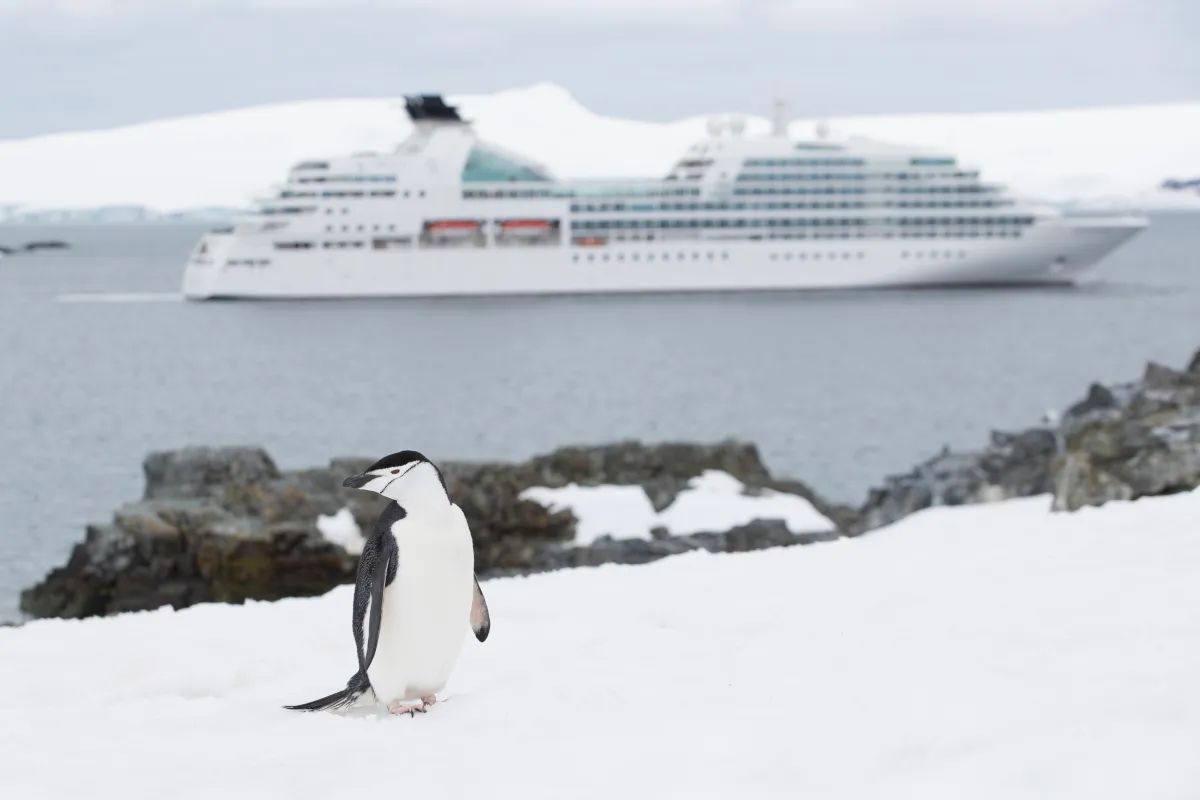
The classic expedition. Most voyages cross the Drake Passage from Ushuaia to the Antarctic Peninsula for Zodiac landings among gentoo, chinstrap, and Adélie penguin colonies, humpback and minke whales, and ice in every conceivable form. Fly-cruise options skip the Drake entirely with a charter to King George Island. Add South Georgia and the Falklands for the greatest wildlife density on earth.

Best Time to Sail

November for pristine ice and courtship. December to January for chicks, warmth, and the longest days. February to March for peak whale activity and fur seals.

The Arctic and Svalbard

The Arctic and Svalbard

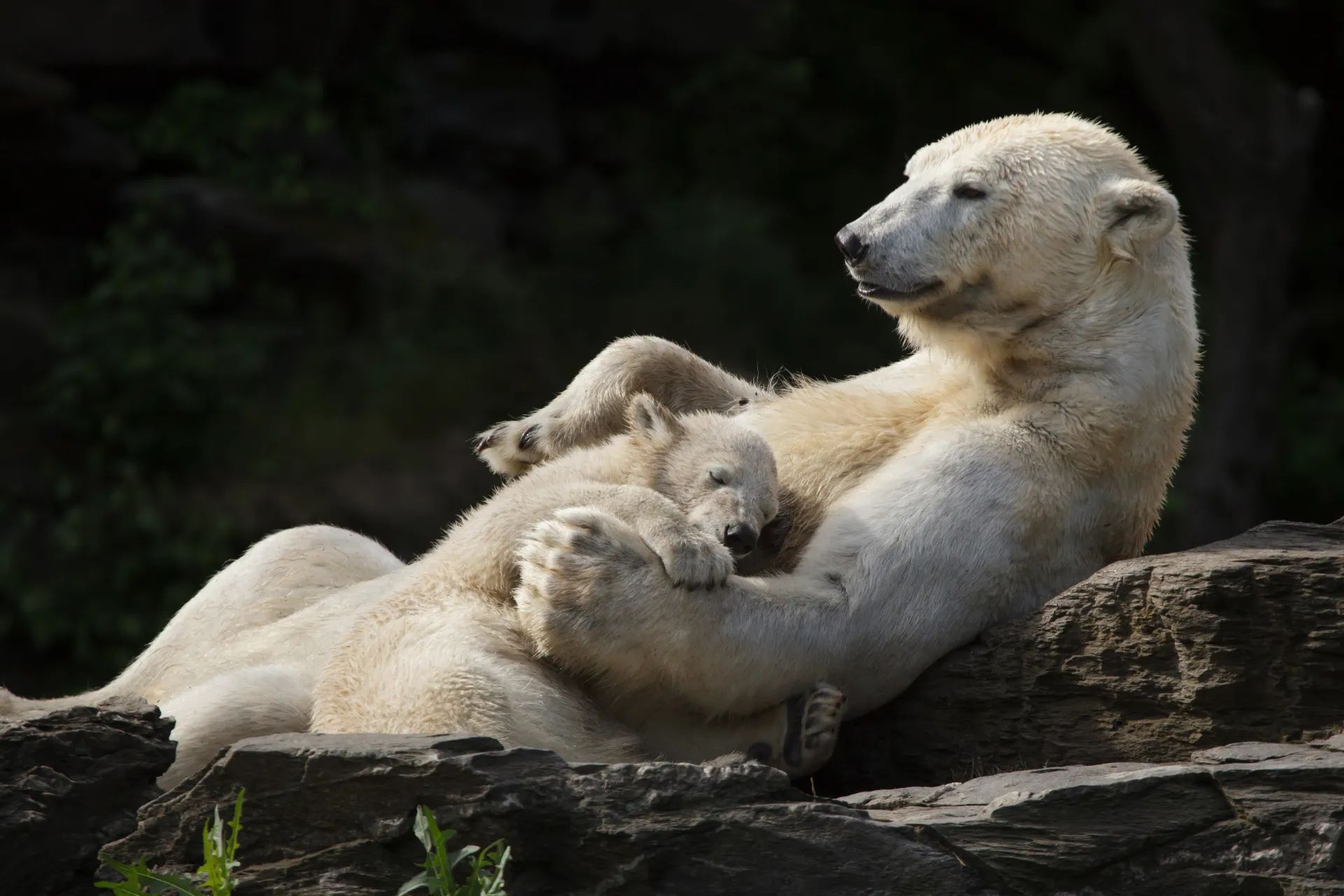
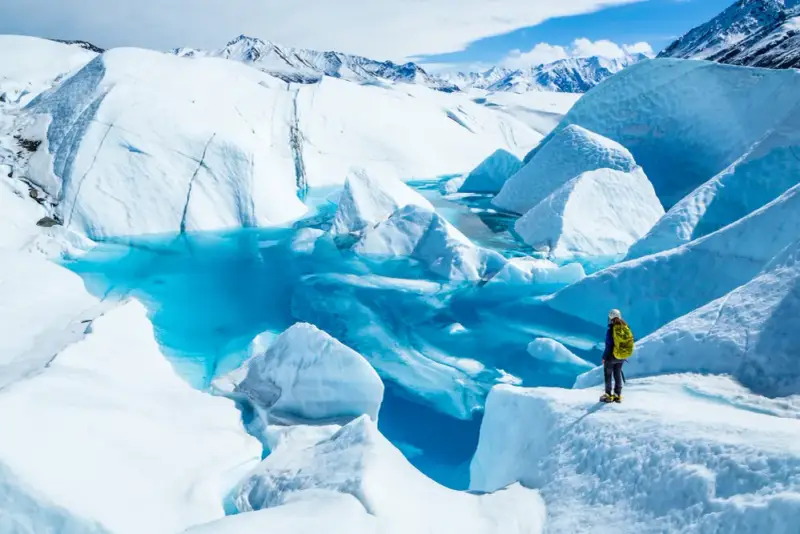
Sailing from Longyearbyen into a landscape of tidewater glaciers, walrus haul-outs, and the best polar bear odds anywhere. Twenty-four-hour daylight means wildlife sightings at two in the morning and no one minds. Circumnavigations of Spitsbergen are the signature itinerary when the ice allows.

Best Time to Sail

June through August. Late June and July offer the best combination of ice access and wildlife.

Greenland and the Northwest Passage

Greenland and the Northwest Passage

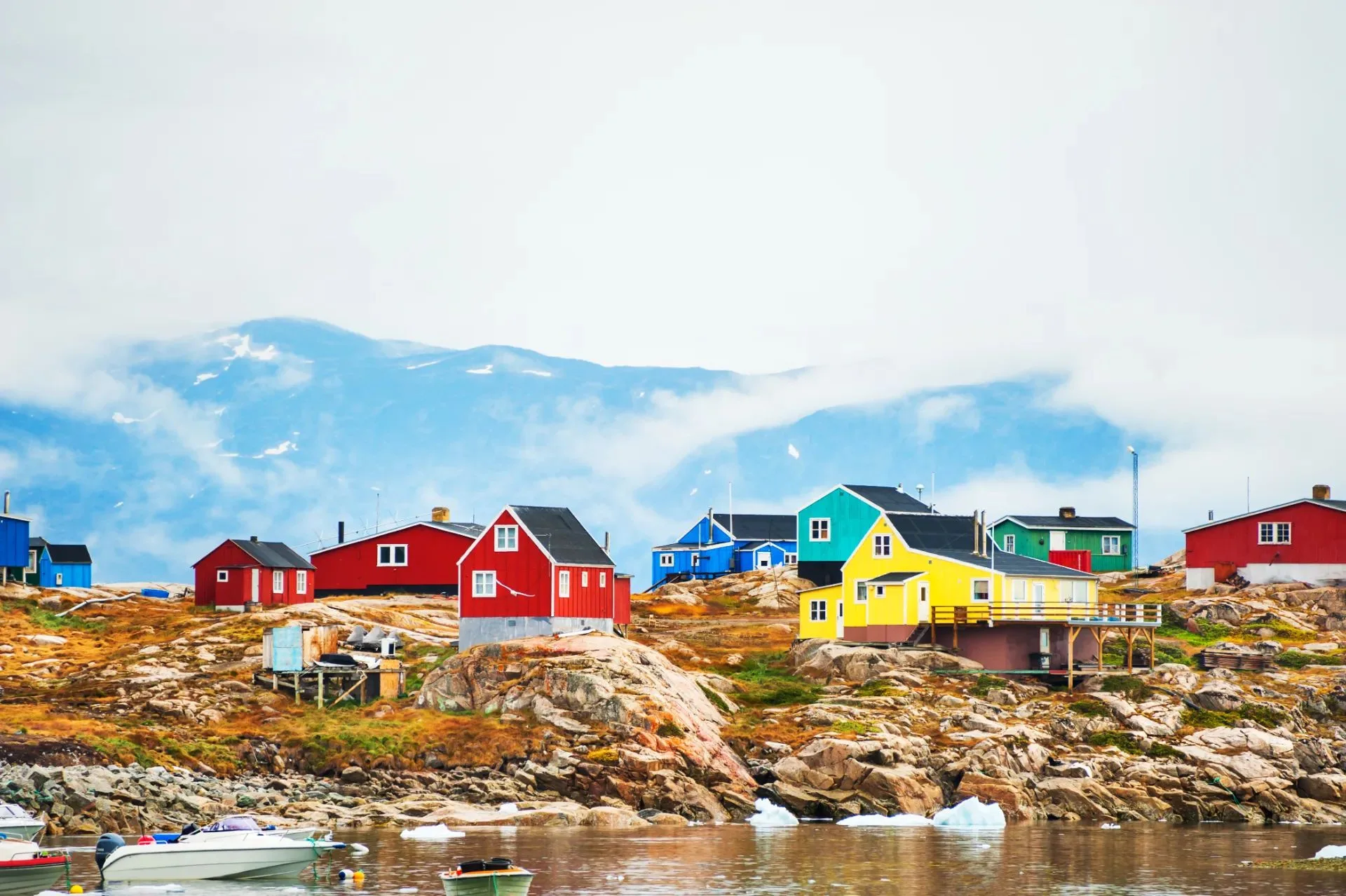
Vast fjord systems, the iceberg nursery at Ilulissat, Inuit settlements, and the historic route across the top of North America that defeated explorers for three centuries. These are long, ambitious voyages, often ending in Nome or Kangerlussuaq, and among the most rewarding sailings I book.

Best Time to Sail

July through September, when the ice retreats enough for passage.

The Galápagos

The Galápagos

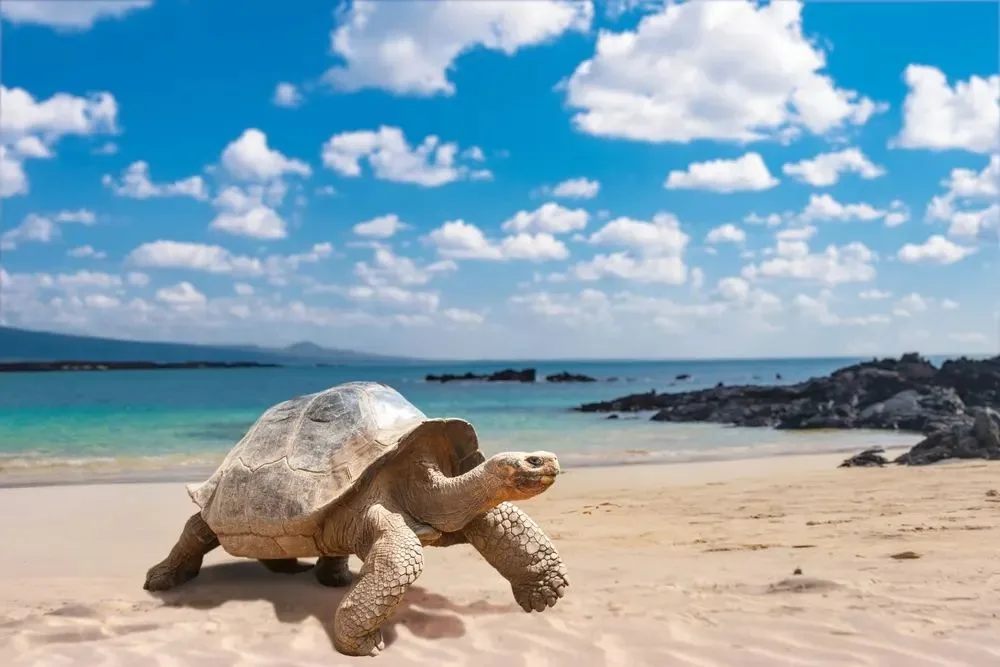
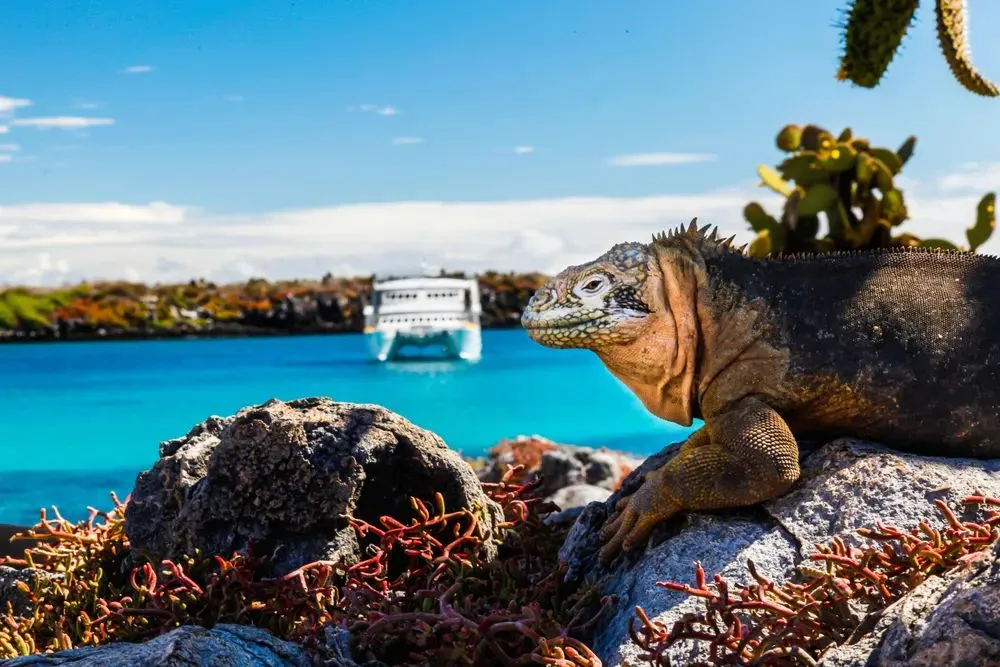
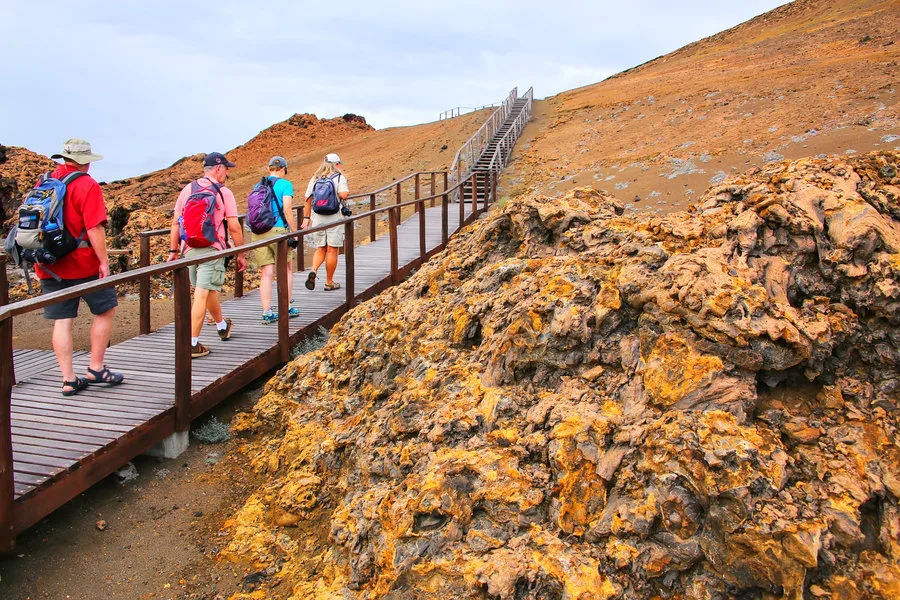
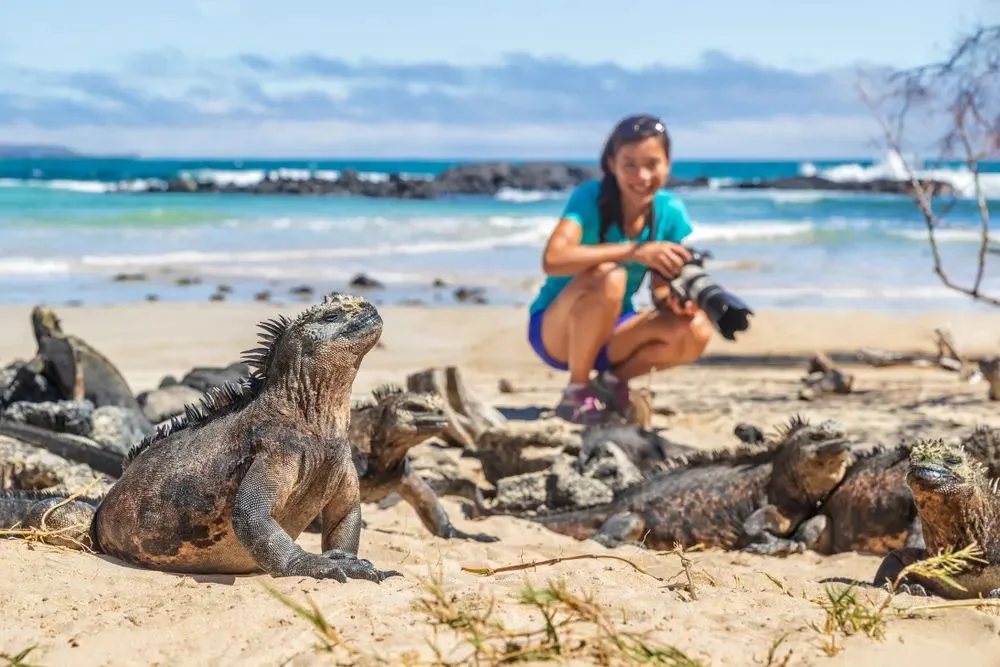
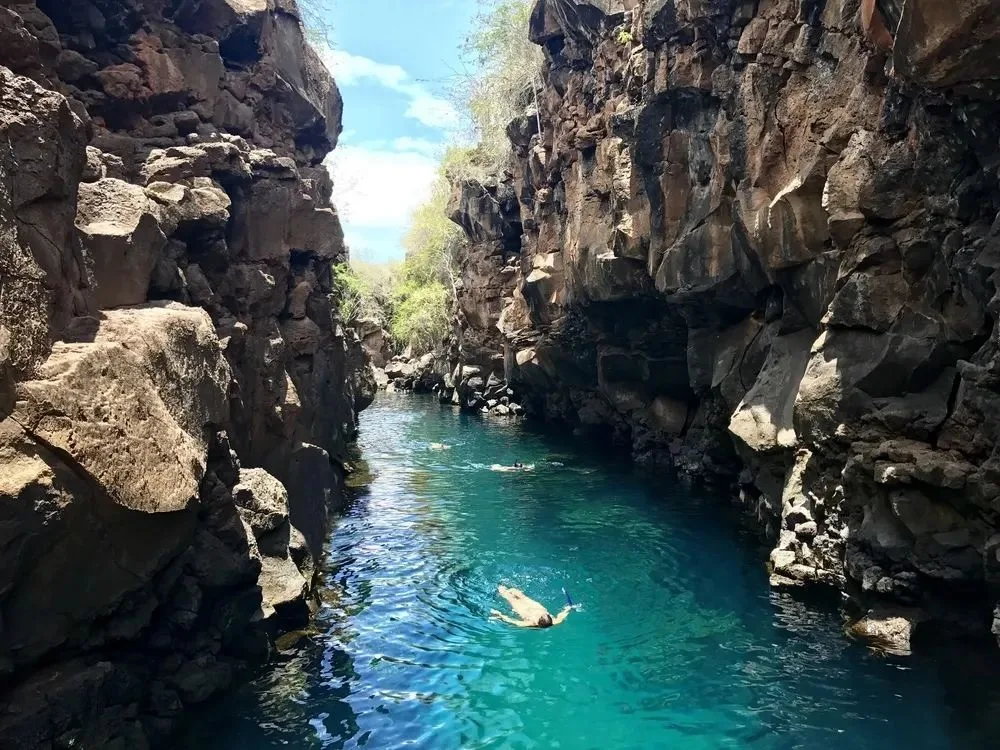
A year-round expedition with no bad season. Small ships of 16 to 100 guests, licensed naturalist guides required by the national park, and daily landings and snorkeling among marine iguanas, giant tortoises, blue-footed boobies, sea lions, and hammerheads. Pair beautifully with Quito, the Sacred Valley, and Machu Picchu.

Best Time to Sail

December to May for warmer water and calmer seas. June to November for cooler water, stronger currents, and the most active marine life.

The Norwegian Coast and Iceland

The Norwegian Coast and Iceland

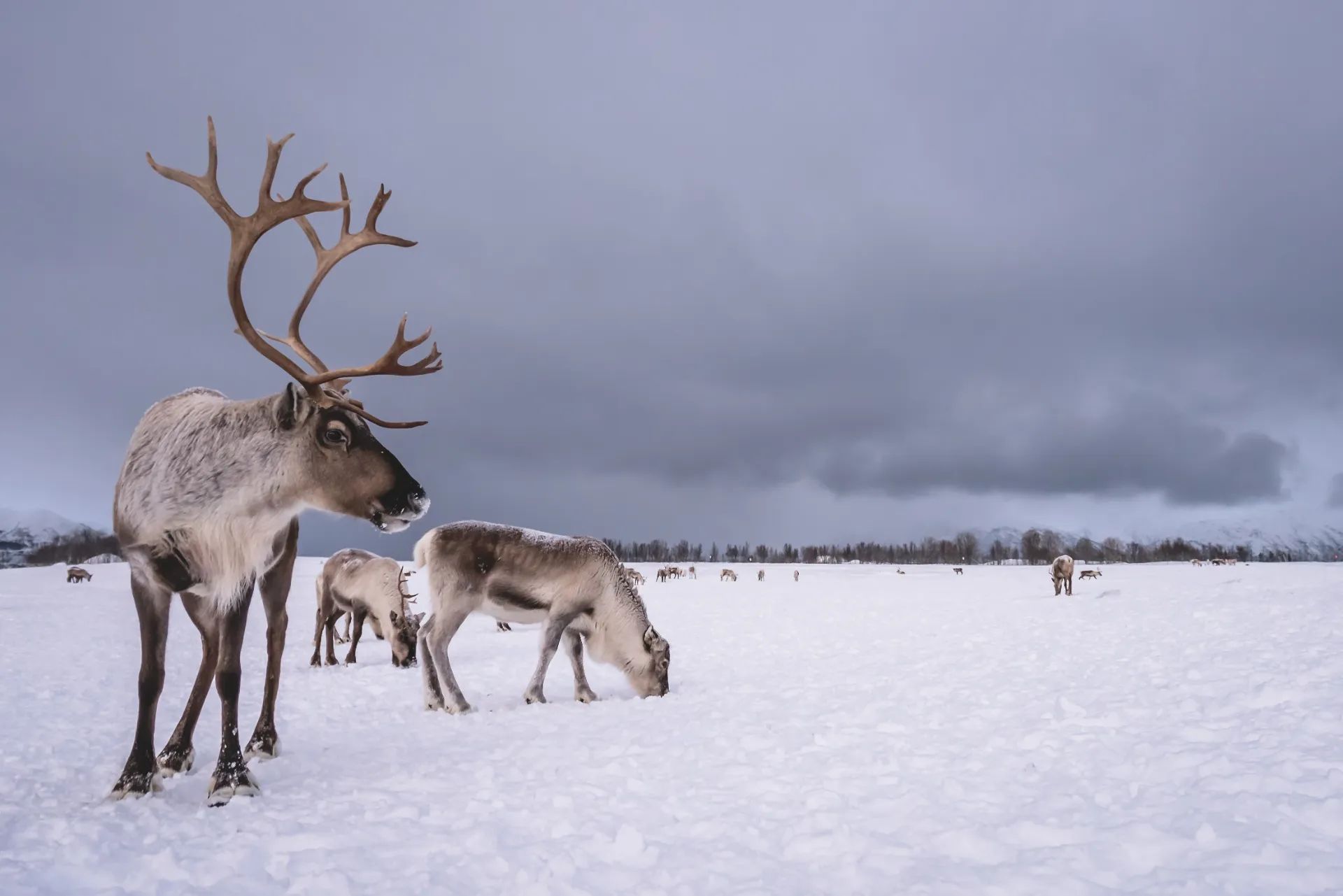
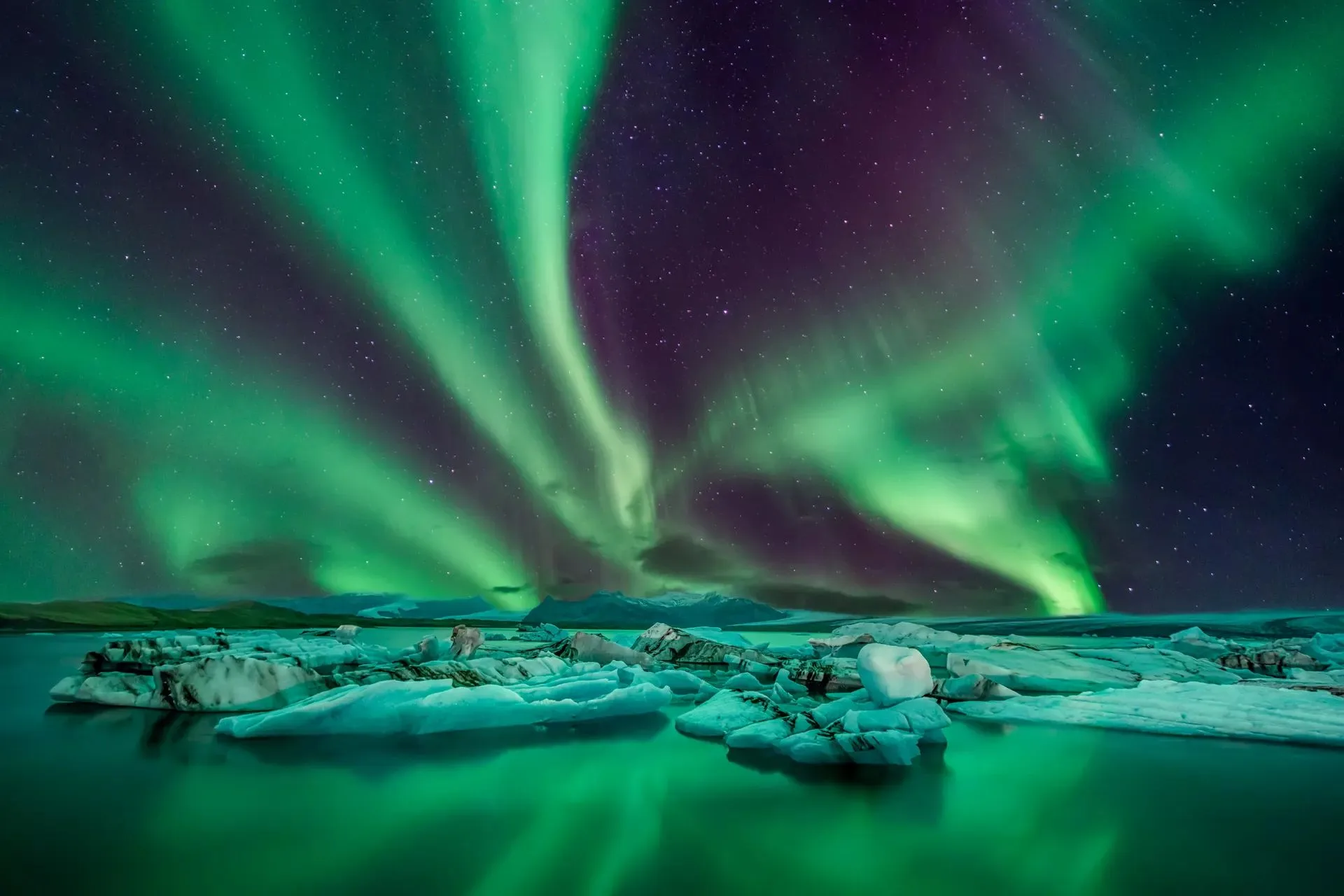
Fjords, fishing villages, sea eagles, and the working coastal route that inspired modern expedition cruising. In winter, the same waters become one of the most reliable places on earth to see the northern lights from a ship's deck.

Best Time to Sail

May to September for midnight sun and hiking. October to March for aurora sailings.

The Kimberley and the Tropics

The Kimberley and the Tropics

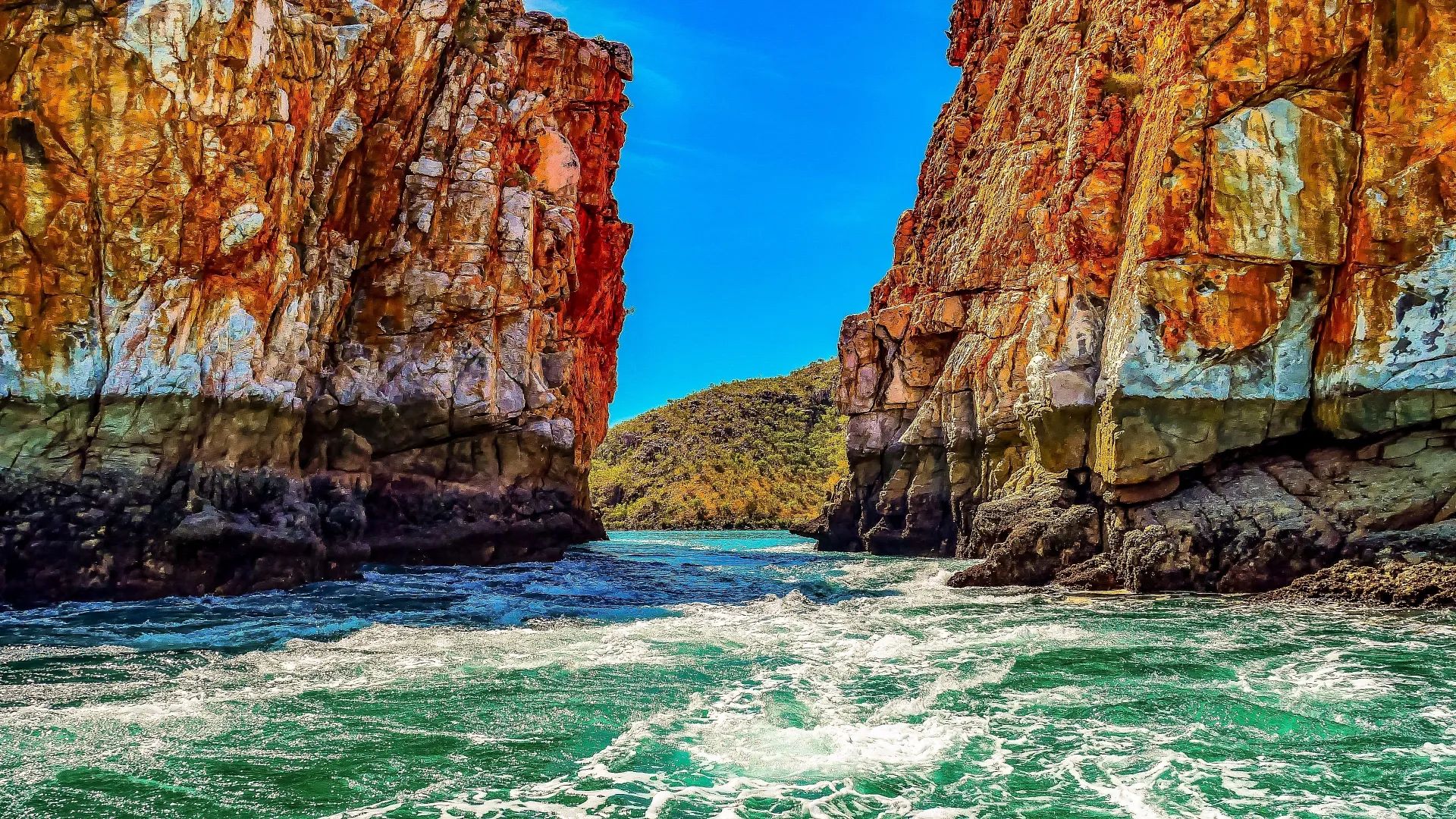
Expedition travel is not only polar. Australia's Kimberley coast delivers horizontal waterfalls, ancient rock art, and tidal drama; the Amazon, West Africa, Papua New Guinea, and the remote Pacific offer cultural expedition itineraries with the same small-ship, landing-led rhythm.

Best Time to Sail

The Kimberley runs April to September. Tropical and equatorial itineraries vary by region, and I plan them around the dry season.

1 / 6

This is for you if…

If you've never cruised but you've been curious, this is the gentle, well-guided entry point most travelers wish they'd started with.

Frequently Asked

Expedition questions.

Short answers to the questions I hear most. Tap any to expand, or reach out and I'll walk you through it personally.

6 answered

For most voyages, no. You need to be able to climb in and out of a Zodiac with a crew member's assistance and walk unaided on uneven ground for a modest distance. Every landing offers a gentle option alongside longer hikes, and you can always stay aboard. If mobility is a concern, tell me early and I will steer you toward ships and itineraries with the easiest access.

It can be genuinely rough, and it can also be glassy, which crews call the Drake Lake. Modern expedition ships have excellent stabilizers, the crossing takes about two days each way, and medication works well for most people. If the idea troubles you, fly-cruise itineraries charter you over the passage in two hours instead. I book those often.

On the lines I recommend: all Zodiac landings and excursions, expedition team and lectures, parka and boot loan, beverages, gratuities, and Wi-Fi. Several include gateway flights, charter flights, hotel nights, and emergency medical evacuation coverage. The inclusion structure varies more than in any other category of cruising, and comparing it honestly is one of the most valuable things I do for you.

Twelve to eighteen months for Antarctica, South Georgia, and the Northwest Passage. These ships are small, the seasons are short, and the best suites and single occupancy options go first. Galápagos and Norway can often be booked inside a year, though the preferred departures still move quickly.

That is the whole question. HX for science and value, Atlas for intimate yacht-style comfort, Swan Hellenic for cultural depth and fair solo pricing, Seabourn for luxury cruisers making their first expedition, Silversea for reach and butler-service polish. I match you to the ship and departure whose atmosphere fits how you actually want to travel.

Less than you think. Most lines provide the expedition parka and loan waterproof boots. You bring waterproof trousers, layers, gloves, a warm hat, sunglasses, and high-SPF sunscreen, which matters enormously on ice. I send every client a destination-specific packing list before departure.

Free 3-minute quiz

Curious if a river cruise is for you?

Built for ocean cruise lovers. Twelve questions and you'll know with confidence — plus I'll match you to itineraries you'll love.

Take the quiz

The List

Notes from the field

Quiet travel inspiration, seasonal picks, and behind-the-scenes stories — sent occasionally, unsubscribe anytime.

Lead magnet visual

Next Step

Let's plan your expedition.

A short conversation is the fastest way to compare ships and find the right departure for you.

Stay in the loop: Quiet notes from the field, sent occasionally. Join the list